



9 Surprising Ways to Use Your Glycolic Acid Concentrate Serum (Face, Body & Scalp)
You bought it for your face. But the Wonder Effect Night Wonder Concentrate does a whole lot more — and your skin (from scalp to heel) deserves to know.
Skin Care Tips · Glycolic Acid · Multi-Use Skincare
If you've ever picked up a glycolic acid serum and wondered what else it could do beyond your nightly routine, you're not alone. And you're definitely on to something.
How It Works

Glycolic Acid is one of the most studied ingredients in skincare — and one of the most loved. It's an AHA (alpha-hydroxy acid) that works by gently loosening the bonds between dead skin cells, making it easier for your skin to shed them naturally. The result? Skin texture looks smoother, with a more even tone, and has a noticeably brighter complexion.
But Glycolic Acid isn't just for your face. A well-formulated glycolic acid serum can be used on any skin that could benefit from gentle exfoliation, and that's more places than you think. Elizabeth Grant Skin Care’s Wonder Effect Night Wonder Concentrate is your PM reset and is formulated to be gentle enough to use in multiple ways, thanks to a blend that pairs Glycolic Acid with deeply hydrating and soothing ingredients like our Torricelumn™ complex.
Who It's For
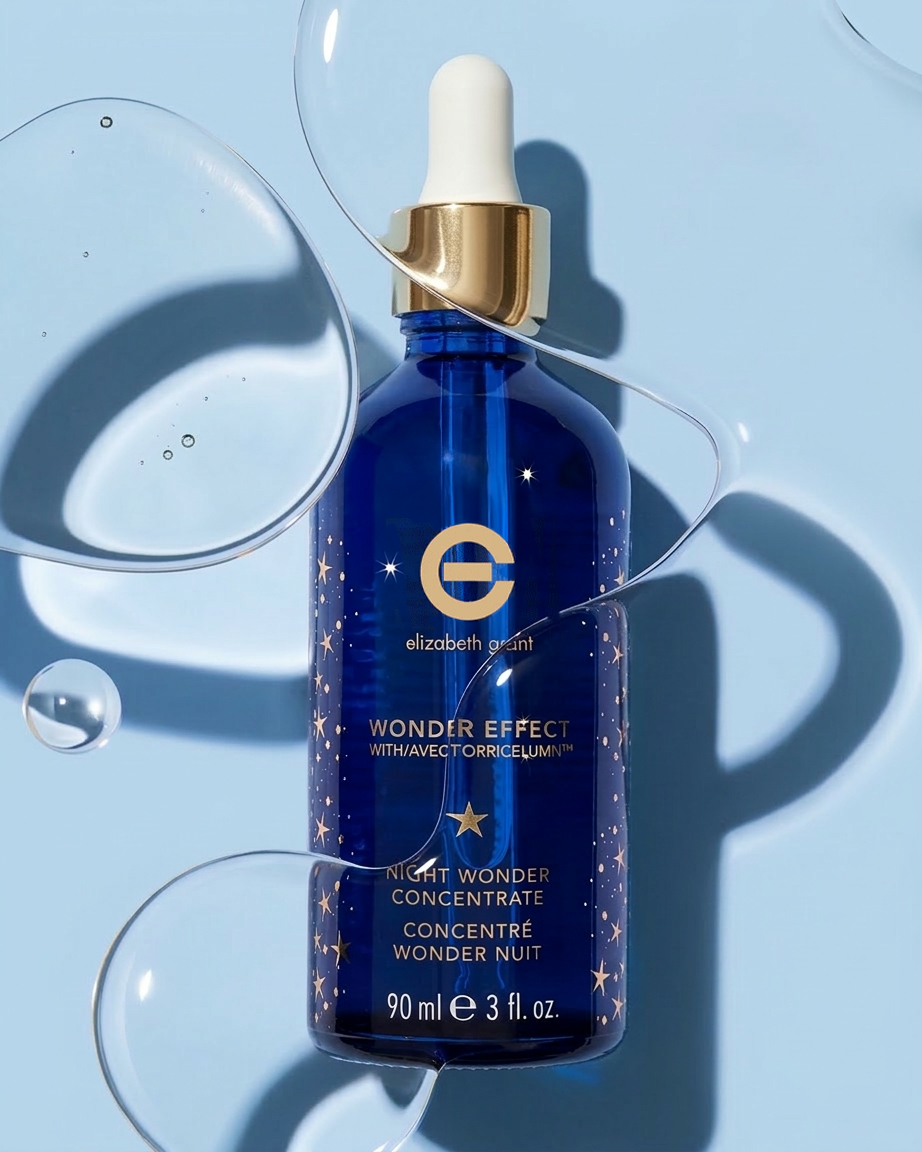
Wonder Effect Night Wonder Concentrate
Key actives: Glycolic Acid · Hyaluronic Acid · Torricelumn™ · Aloe Vera · Allantoin · Panthenol
For decades, Elizabeth Grant Skin Care has focused on formulas that combine effective actives with skin-supporting ingredients. Wonder Effect Night Wonder Concentrate reflects that philosophy; pairing exfoliating Glycolic Acid with the brand’s signature Torricelumn™ complex for a balanced overnight treatment.
A gentle overnight exfoliating glycolic acid serum formulated to help visibly improve the appearance of skin tone, pores, and the look of fine lines, without the harshness you might expect from an acid treatment.
Why Our Formula Works
What sets this concentrate apart from a standard Glycolic Acid toner or peel is the supporting cast of ingredients. Glycolic Acid is powerful on its own- but it can be irritating for some users. Here, it's balanced with actives that help replenish and calm skin at the same time.
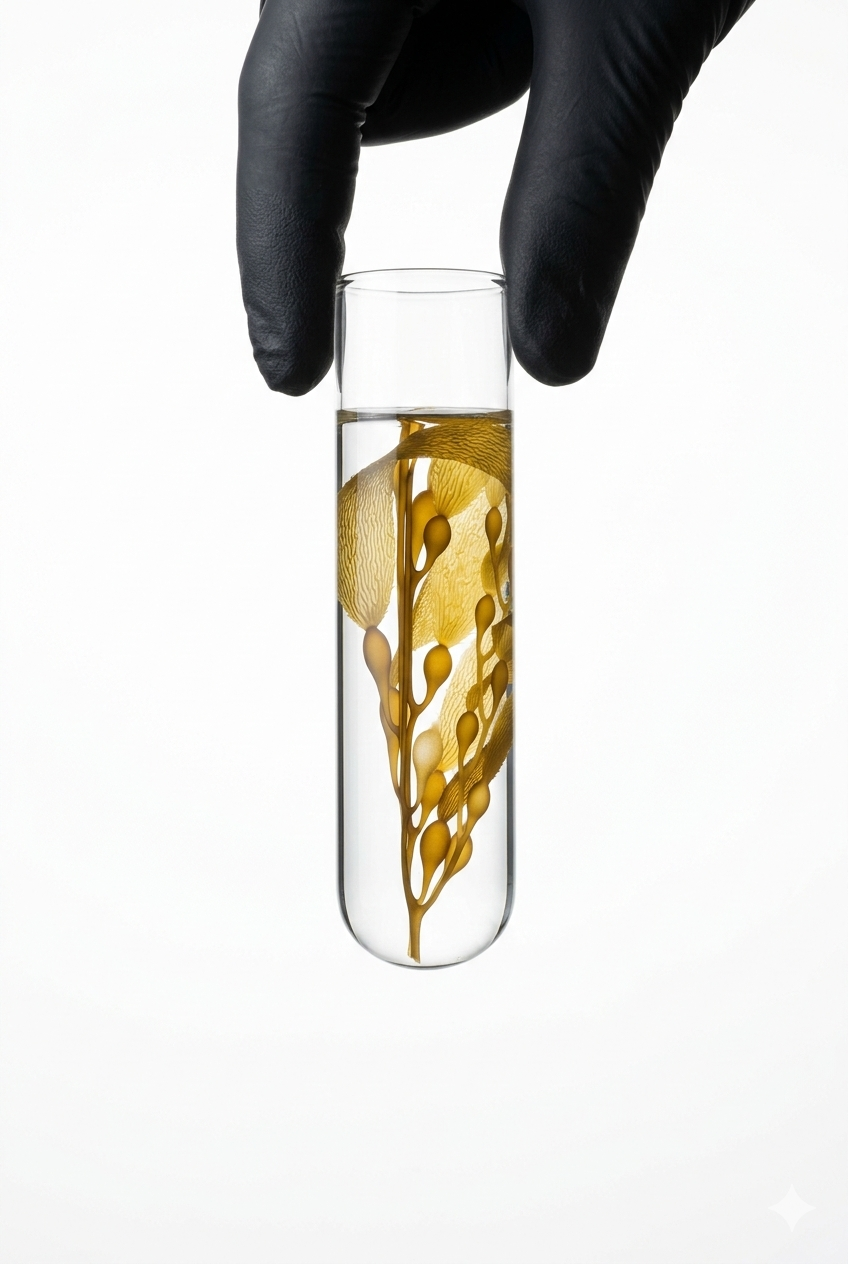
Torricelumn™
Elizabeth Grant Skin Care’s proprietary algae complex. Helps support the skin's surface and works alongside the other actives for a more balanced result.
Glycolic Acid
The exfoliating active. Helps loosen the bonds between dead skin cells, supporting the skin's natural renewal process for a smoother, more radiant-looking surface.
Hyaluronic Acid
A humectant that draws moisture to the skin and helps maintain hydration — supporting a comfortable feel even when using an exfoliating treatment.
9 Ways To Use
-
1. Overnight Facial Treatment
This is the hero use. Apply a thin layer to clean, dry skin at night and let Glycolic Acid do its work while you sleep. Over time, you may notice the look of smoother texture, refined pores, and the appearance of fewer fine lines. A considered alternative to more aggressive exfoliating treatments — with a gentler experience.
✦ Best for: Anti-aging, texture, dullness, uneven skin tone
-
2. Underarm Brightening & Deodorant Support
Dark underarms are incredibly common and often linked to dead skin buildup, friction, or irritation from shaving. Glycolic Acid helps gently exfoliate that buildup over time, which may help improve the look of brightness in that area. It also helps keep the skin surface clean and fresh by supporting the removal of dead skin cells.
✦ Best for: Hyperpigmentation, odour, post-shave irritation
-
3. Body Acne Treatment
Back, chest, and shoulder breakouts can respond well to regular exfoliation. By helping to remove dead skin cells that can contribute to congested pores, Glycolic Acid may help support a clearer-looking complexion on the body. Apply a small amount of this glycolic acid serum on the body to clean skin on affected areas a few times per week as part of a consistent routine.
✦ Best for: Back acne, chest acne, clogged pores on body
-
4. Rough & Cracked Heels
Heels are one of the hardest areas to address because the skin there is so thick. Glycolic Acid is one of the few cosmetic ingredients that can work into that surface buildup and help soften the look and feel from within. Apply at night, let it absorb, then wear socks to help support the treatment.
✦ Best for: Dry, cracked, calloused heels
-
5. Uneven Skin Tone & Discolouration
From sun spots to post-blemish marks, Glycolic Acid helps support skin cell turnover so that the appearance of discolouration may gradually improve over time. This applies to both face and body — think inner thighs, knees, or elbows that tend to look darker from friction or repeated pressure.
✦ Best for: Sun damage, post-acne marks, friction darkening
-
6. Scalp Exfoliant
Glycolic Acid can help loosen product buildup, flakiness, and surface congestion on the scalp — the same way it works on skin elsewhere. Apply a small amount before shampooing, leave for a few minutes, then rinse thoroughly. Start once every 1–2 weeks and see how your scalp responds. A well-maintained scalp is simply a healthier environment for your hair.
✦ Best for: Flaky scalp, product buildup, overall scalp health
-
7. Stretch Mark Treatment
Stretch marks are a normal part of life — and while they won't disappear, consistent exfoliation with Glycolic Acid may help support the look of smoother, more even skin texture in those areas over time. Results take patience, but many people notice a gradual improvement in how their skin looks and feels with regular use.
✦ Best for: Fading and smoothing the appearance of stretch marks
-
8. Keratosis Pilaris (KP)
Those tiny, rough bumps on the backs of arms and thighs? That's Keratosis Pilaris — a very common condition where keratin builds up and plugs hair follicles. Glycolic Acid is a widely used ingredient for addressing KP because it helps loosen that surface buildup. With regular use, many people notice an improvement in the look and feel of skin texture.
✦ Best for: KP on arms, thighs, anywhere bumpy texture appears
-
9. Ingrown Hair Treatment
Ingrown hairs happen when a hair curls back or grows sideways into the skin — often after shaving or waxing. Glycolic Acid helps support a clearer skin surface, which may make it easier for hair to grow through freely. It may also help improve the look of dark spots that ingrown hairs can leave behind. Apply the glycolic acid serum to the area a few times per week after hair removal.
✦ Best for: Bikini line, legs, underarms — post-shave and post-wax
Pro Tips
Glycolic Acid is effective and a little goes a long way. Here are some best practices to get the optimal results without over-exfoliating.
-

Start Slowly
If you're new to Glycolic Acid, use 2–3 times per week and build from there. Even gentle formulas need a break-in period for some skin types.
-

Don't Layer With Other Acids
Avoid using other exfoliants (BHAs, retinoids) on the same night. Keep it simple and let Glycolic Acid work on its own.
-

Use At Night
Glycolic Acid can increase skin's sensitivity to the sun. Using it in your evening routine — and applying a broad-spectrum SPF every morning — is an important part of any AHA routine.
-

Moisturize After
Follow up with a hydrating moisturizer to support your skin barrier. Hyaluronic Acid in the formula already helps — but a moisturizer seals everything in.
FAQ's
Is This Safe For Sensitive Skin?
Yes. The formula is designed to be gentler than many Glycolic Acid treatments, thanks to soothing ingredients like Allantoin and Aloe Vera.
Always do a patch test first and start with less frequent use to see how your skin responds.
Can I Use This Product If I Have Deeper Or Melanin-rich Skin?
Absolutely. Glycolic Acid is a widely used ingredient for addressing the appearance of hyperpigmentation across all skin tones. Just avoid over-exfoliating, which can cause irritation and temporarily affect the look of discolouration.
How Long Before I See Results?
Many people notice a change in skin texture within 2–4 weeks of consistent use of a glycolic acid serum.
For hyperpigmentation, stretch marks, and KP, allow 6–12 weeks to see more meaningful improvement — results will vary depending on skin type and consistency of use.
Can I Use This During Pregnancy?
Consult your healthcare provider before using any active skincare ingredient during pregnancy.
While topical Glycolic Acid in small amounts is generally considered low-risk, your doctor is the right person to guide this decision.
How Often Should You Use Glycolic Acid Serum?
Most people start using a Glycolic Acid serum two to three times per week and increase frequency depending on skin tolerance.
A note on expectations: Skincare works best when it's consistent. Results from Glycolic Acid — whether on your face, body, or scalp — build gradually over time. Avoid over-exfoliating, listen to your skin, and always wear SPF during the day when using any AHA product.


